
Reflective materials
Tile, shingle and coating options rated for solar reflectance.
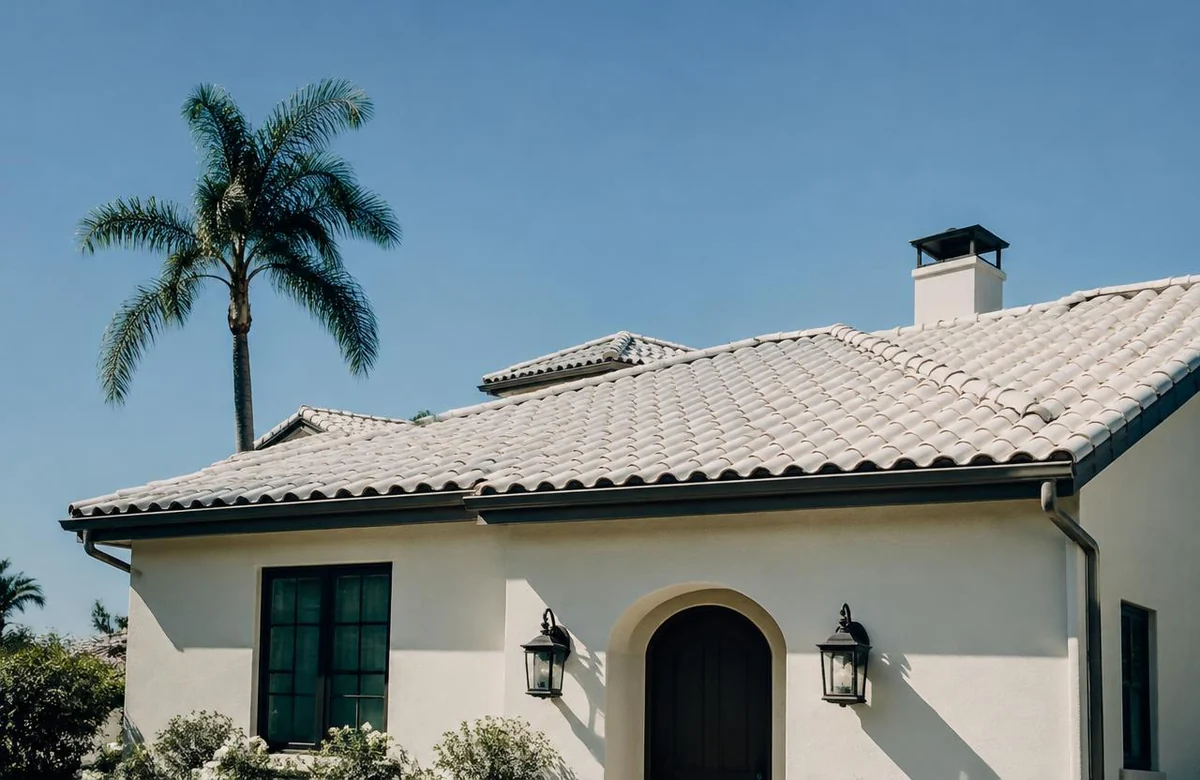
Cool roofs use lighter or specially coated materials that reflect more sunlight, which can help reduce heat entering the home.
Planning a project like this? Share a few details for a free estimate.
Request a Free EstimateOn a summer afternoon, a conventional dark roof can get far hotter than the air around it, and much of that heat moves down into the attic. A cool roof uses materials rated to reflect more sunlight and release absorbed heat faster, so less of it reaches the rooms below.
Cool roofing is almost always chosen as part of a full reroof, so it's planned alongside decking, flashing and underlayment — see our roofing and exterior page for the complete replacement process. It works best paired with adequate attic insulation, and many homeowners treat sun-facing walls at the same time with cool wall coatings.
Tile, shingle and coating options rated for solar reflectance.
Can help upper floors and attics stay cooler on hot days.
California energy code may require cool-roof products for some reroofs.
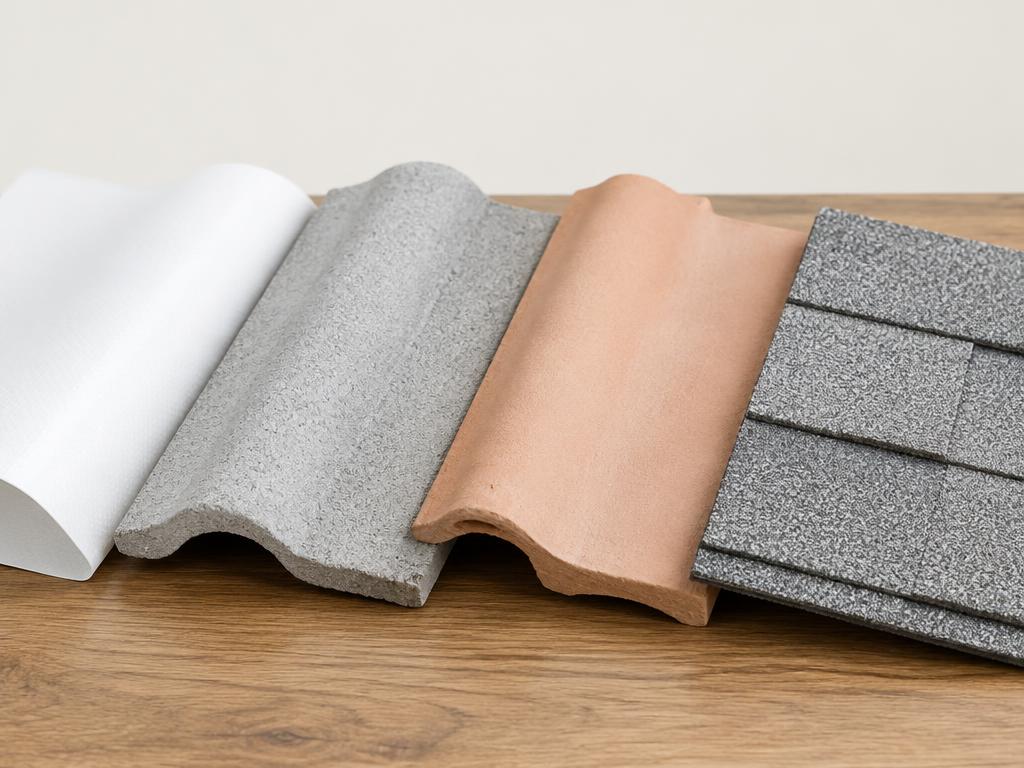
Cool-roof products exist for nearly every common roof style. The right one depends mainly on your roof's slope and the look you want.
Cool-roof performance is measured, not assumed. Products are typically rated by the Cool Roof Rating Council (CRRC), and the label is what code compliance relies on.
California's Building Energy Efficiency Standards (Title 24, Part 6) can require cool-roof products when a roof is replaced. Whether they apply depends on your climate zone, roof slope and how much of the roof is being replaced.
AAA All America Affordable Construction and Remodeling Inc. manages the agreed construction process, including applicable permit coordination, inspections, project management, subcontractor coordination, quality oversight, warranties and project completion. BH Signature personally reviews homeowner inquiries and introduces relevant project details to the identified licensed contracting partner, which handles construction planning and delivery.
The contractor inspects the existing roof, decking, flashing and attic ventilation, and measures the roof sections by slope.
You compare rated products and colors that suit your home's style and any HOA guidelines.
The reroof is permitted through your city, which confirms Title 24 requirements for your climate zone.
Old roofing is removed, damaged decking is repaired, and new underlayment, flashing and cool-rated roofing are installed, followed by inspection.
Responsibilities depend on the agreed project scope and contract. Permit approval rests with the relevant authorities; warranty coverage and terms are confirmed for your project. Completion timing depends on the work, site conditions and required approvals, not a promised date.
About savings: Energy savings depend on the specific products selected and your property's conditions, and are not guaranteed. Rebate or utility programs change often — verify current eligibility directly with the program.
| Conventional dark roof | Cool-rated roof | |
|---|---|---|
| Sunlight absorbed | Most of it | Noticeably less |
| Roof surface on a hot afternoon | Very hot | Cooler |
| Heat moving into the attic | Higher | Reduced |
| Color choices | Wide | Wide — including non-white tones |
| Title 24 reroof compliance | May not meet it in some zones | Designed to meet rated requirements |
General comparison only. Actual performance depends on the product, attic ventilation and insulation.
No. Many tile and shingle products in gray, tan and earth tones carry cool ratings. White is typically used on low-slope roofs where it isn't visible from the street.
On some low-slope roofs in good condition, a reflective coating is an option. Steep-slope tile and shingle roofs are usually made cool through replacement rather than coating.
It can reduce heat entering the home, which may reduce air-conditioning use, but results depend on your insulation, ductwork, attic ventilation and habits. We don't promise specific savings.
Reroofing generally requires a building permit in Southern California cities, and the permit process is where energy-code requirements are confirmed.
Considering this home improvement? Tell BH Signature what you have in mind. The licensed contractor can then discuss your property, project scope, consultation, and estimate directly with you.
Request Your Free EstimateFree estimates are provided by the licensed contractor, AAA All America Affordable Construction and Remodeling Inc..