
Attic insulation
Blown-in or batt insulation to recommended levels for your climate zone.
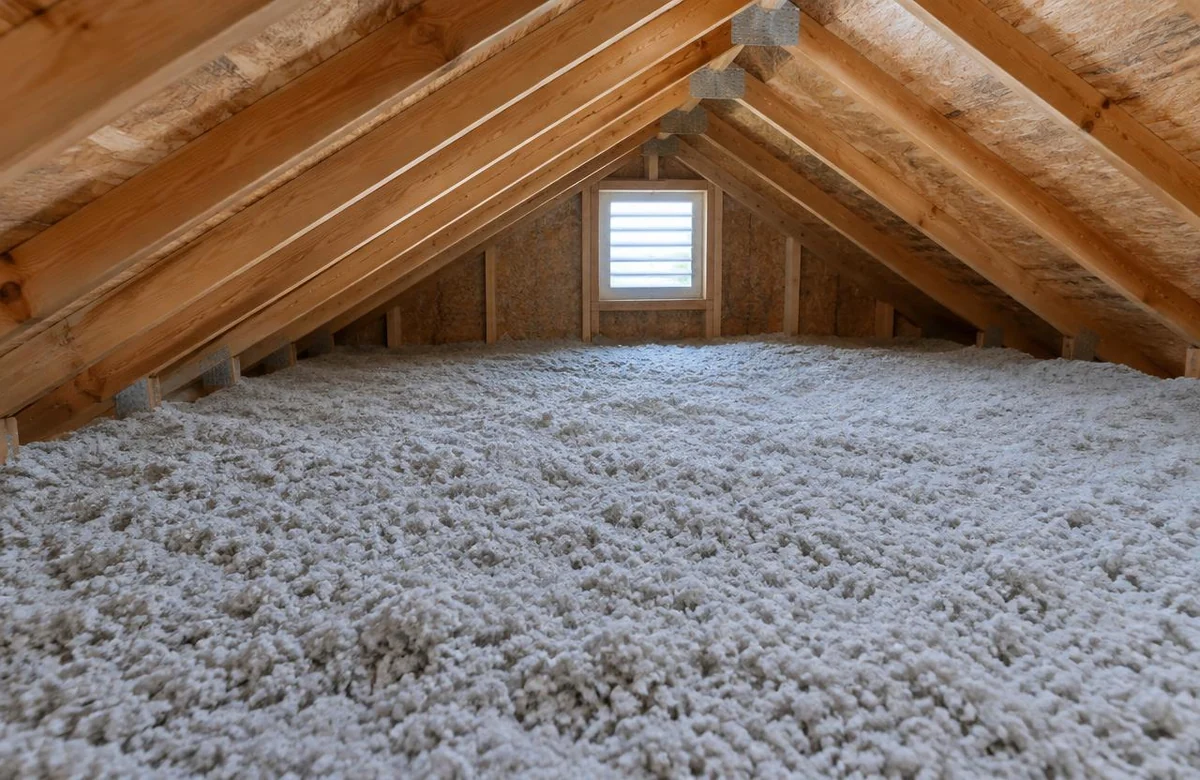
Insulation and air sealing slow heat transfer between your living space, attic and exterior walls.
Planning a project like this? Share a few details for a free estimate.
Request a Free EstimateSouthern California winters are mild, but summers inland can be long and hot. Insulation slows heat moving from a hot attic and sunbaked walls into living spaces, which helps rooms stay more even in temperature and lets air conditioning work less hard.
Insulation is easiest to add when walls or ceilings are already open — during a whole-home remodel or a garage conversion. A well-insulated envelope also lets efficient HVAC systems be sized more appropriately, and pairs naturally with a reflective cool roof.
Blown-in or batt insulation to recommended levels for your climate zone.
Sealing gaps around penetrations to reduce drafts and leakage.
Options for existing walls or during remodeling.
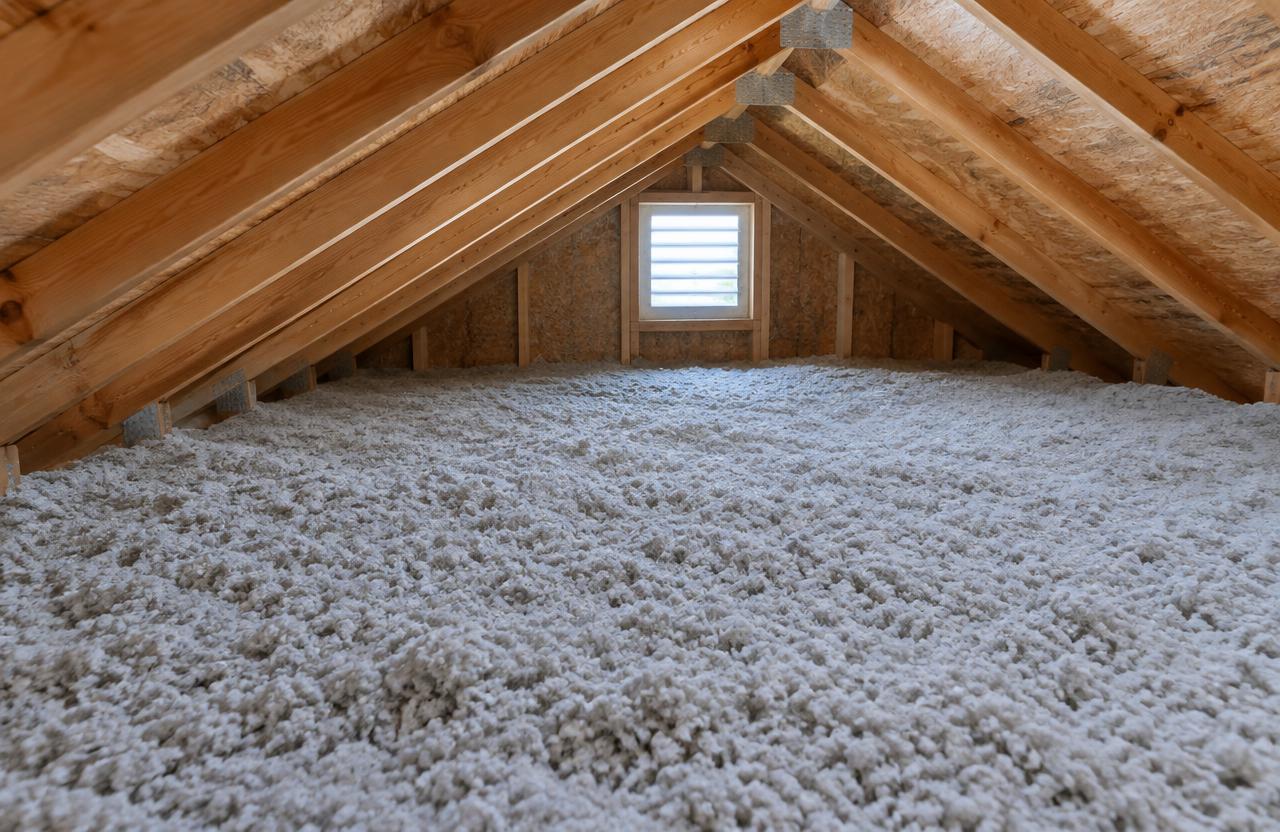
Each material installs differently and fits different parts of the house. Most homes use a combination.
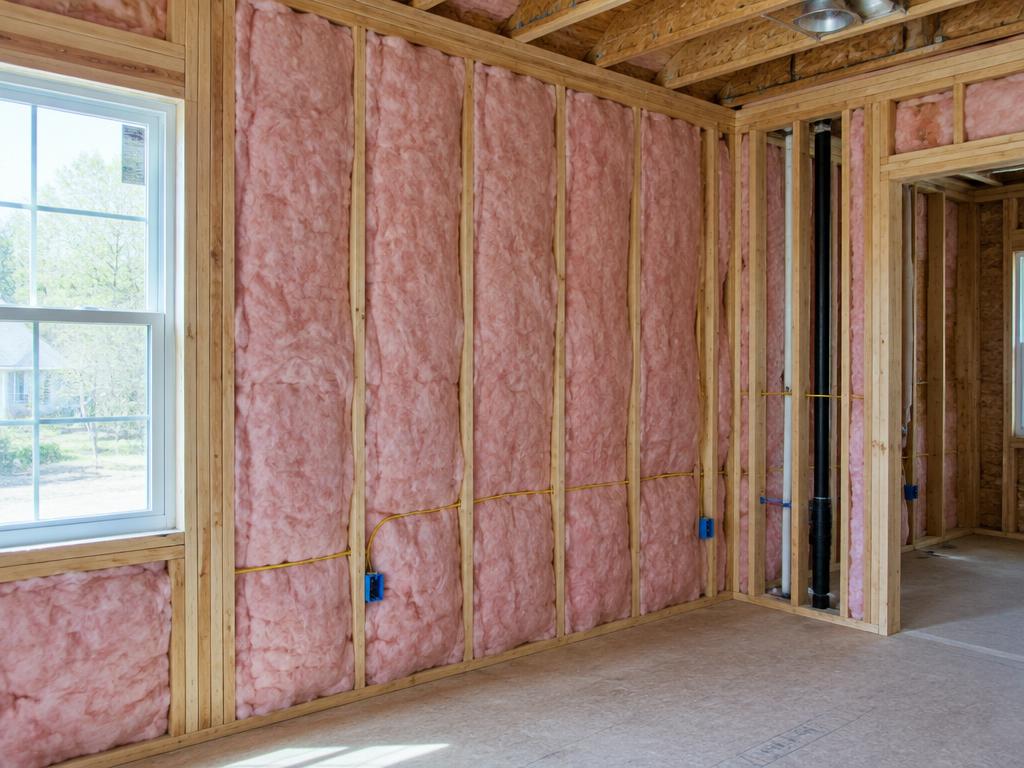
In most Southern California homes, the attic is the first priority because hot summer sun heats the roof and attic above living spaces.
R-value describes how well a material resists heat flow — higher is better. But insulation only works as designed when air leaks are sealed first.
AAA All America Affordable Construction and Remodeling Inc. manages the agreed construction process, including applicable permit coordination, inspections, project management, subcontractor coordination, quality oversight, warranties and project completion. BH Signature personally reviews homeowner inquiries and introduces relevant project details to the identified licensed contracting partner, which handles construction planning and delivery.
Check existing insulation depth, ventilation, signs of moisture or pests, and access points.
Remove damaged material if needed, seal penetrations and install baffles to keep vents clear.
Add insulation to the target depth, with markers in the attic to show the installed level.
Confirm coverage and clearances, and complete inspection when permitted work is involved.
Responsibilities depend on the agreed project scope and contract. Permit approval rests with the relevant authorities; warranty coverage and terms are confirmed for your project. Completion timing depends on the work, site conditions and required approvals, not a promised date.
About savings: Energy savings depend on the specific products selected and your property's conditions, and are not guaranteed. Rebate or utility programs change often — verify current eligibility directly with the program.
| Material | Best suited to | Notes |
|---|---|---|
| Blown-in fiberglass | Open attic floors | Fast to install; doesn't settle much |
| Blown-in cellulose | Attics and closed walls | Made from recycled paper; good gap filling |
| Fiberglass / mineral wool batts | Open walls, floors, new framing | Requires careful fitting around obstacles |
| Spray foam | Roof decks, rim joists, tight spaces | Insulates and air seals; higher cost |
Coastal homes may need less than inland ones, but many older homes have very little attic insulation. An assessment shows what's there now.
Not always. Clean, dry insulation can often stay with new material added on top. Damaged, wet or contaminated insulation is usually removed.
Often, yes — dense-pack insulation can be blown in through small holes that are patched afterward. Exterior or interior access is evaluated per home.
It's commonly included during remodels, additions and conversions, when walls and ceilings are already open.
Considering this home improvement? Tell BH Signature what you have in mind. The licensed contractor can then discuss your property, project scope, consultation, and estimate directly with you.
Request Your Free EstimateFree estimates are provided by the licensed contractor, AAA All America Affordable Construction and Remodeling Inc..