
Low-E glass
Microscopic coatings that reflect infrared heat while letting in light.
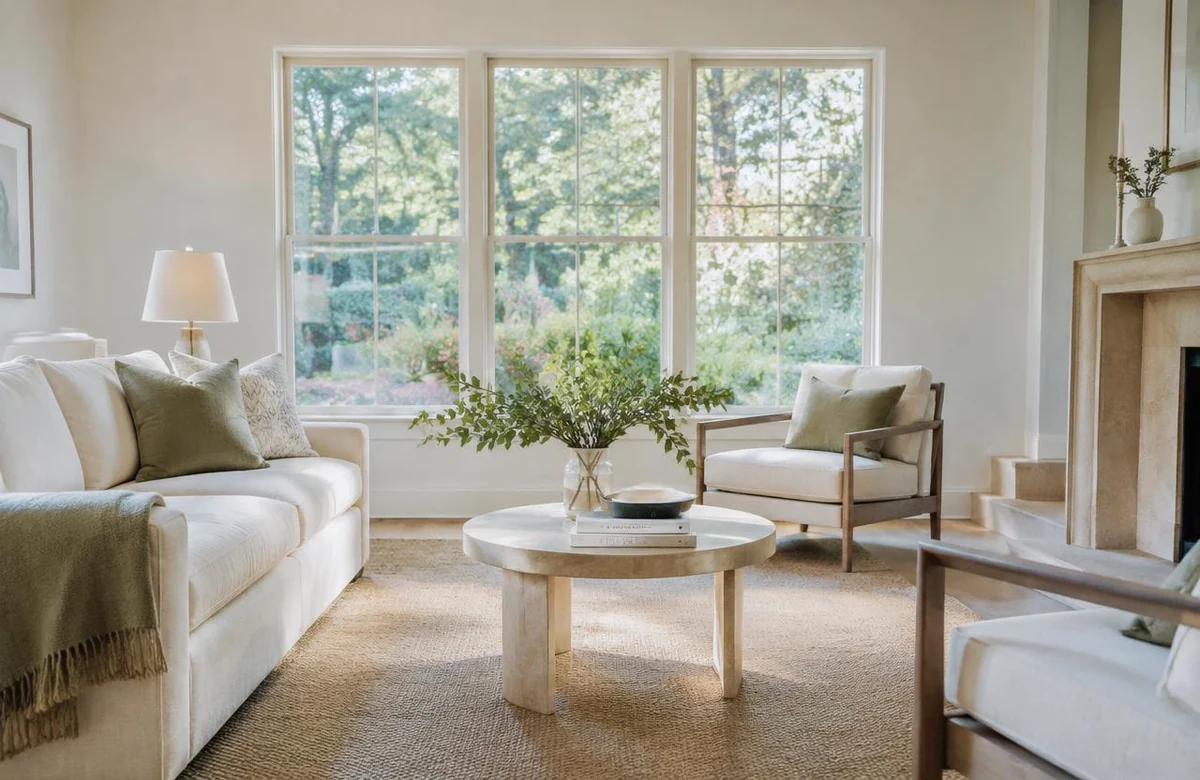
Dual-pane windows with Low-E coatings are designed to reduce heat gain, glare and outside noise.
Planning a project like this? Share a few details for a free estimate.
Request a Free EstimateWindows are often the weakest point in a home's thermal envelope, especially older single-pane aluminum units still common across Los Angeles. Modern dual-pane glass with Low-E coatings is engineered to cut heat transfer and glare while keeping rooms bright.
This page focuses on glass performance — Low-E coatings, U-factor, SHGC and frame materials. For window styles, patio doors and installation methods, see windows and patio doors. Efficient windows complement attic and wall insulation, and full-frame installs are often finished with stucco repair and paint.
Microscopic coatings that reflect infrared heat while letting in light.
Vinyl, fiberglass and aluminum options in a range of styles.
Compare U-factor and solar heat gain ratings on product labels.
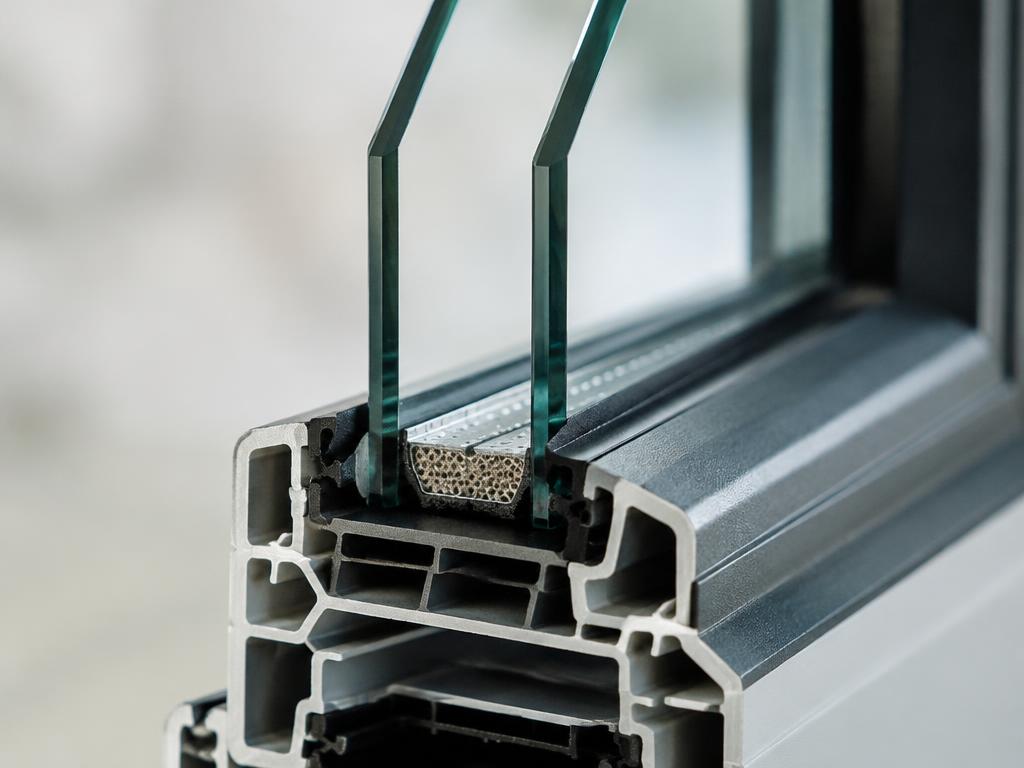
Most heat moving through a window passes through the glass, so the glass package is the heart of window efficiency.
Frames make up a meaningful share of the window area, so the material affects both performance and appearance.
Even an excellent window underperforms if it's poorly installed. Air sealing, flashing and proper sizing matter as much as the label.
AAA All America Affordable Construction and Remodeling Inc. manages the agreed construction process, including applicable permit coordination, inspections, project management, subcontractor coordination, quality oversight, warranties and project completion. BH Signature personally reviews homeowner inquiries and introduces relevant project details to the identified licensed contracting partner, which handles construction planning and delivery.
Measure openings, note sun exposure by side of the house, and identify any safety-glazing locations.
Compare NFRC ratings, frame materials and styles against your priorities: heat, glare, noise and look.
Windows are custom-sized and ordered, and the permit is pulled for your city.
Old units are removed, new windows are installed, flashed and sealed, and the work is inspected.
Responsibilities depend on the agreed project scope and contract. Permit approval rests with the relevant authorities; warranty coverage and terms are confirmed for your project. Completion timing depends on the work, site conditions and required approvals, not a promised date.
About savings: Energy savings depend on the specific products selected and your property's conditions, and are not guaranteed. Rebate or utility programs change often — verify current eligibility directly with the program.
Certified windows carry a National Fenestration Rating Council (NFRC) label. These ratings are the fairest way to compare products.
| Rating | What it measures | What to look for |
|---|---|---|
| U-factor | How much heat passes through the whole window | Lower is better |
| Solar Heat Gain Coefficient (SHGC) | How much solar heat enters through the glass | Lower helps on sun-exposed sides |
| Visible Transmittance (VT) | How much daylight comes through | Higher means brighter rooms |
| Air Leakage (AL) | Air passing through the unit | Lower is better |
Title 24 compliance is based on these certified ratings, not on marketing terms.
Energy performance depends on the whole window assembly, including glazing, frame, U-factor and solar heat gain rating. Compare rated products for your climate and window orientation. The Windows & Patio Doors guide also covers styles and installation choices.
Modern dual-pane windows often perform better thermally than older single-pane windows, but ratings, frames, coatings and installation all matter. Pane count alone does not tell the whole story.
Not necessarily. Some homeowners choose lower-SHGC glass on west- and south-facing windows and higher daylight glass elsewhere, within code limits.
Dual-pane glass often reduces noise compared with single-pane, and laminated glass can reduce it further. Results vary by home and window type.
Considering this home improvement? Tell BH Signature what you have in mind. The licensed contractor can then discuss your property, project scope, consultation, and estimate directly with you.
Request Your Free EstimateFree estimates are provided by the licensed contractor, AAA All America Affordable Construction and Remodeling Inc..