
Reflective finishes
Coatings formulated to reflect more solar energy than standard paint.
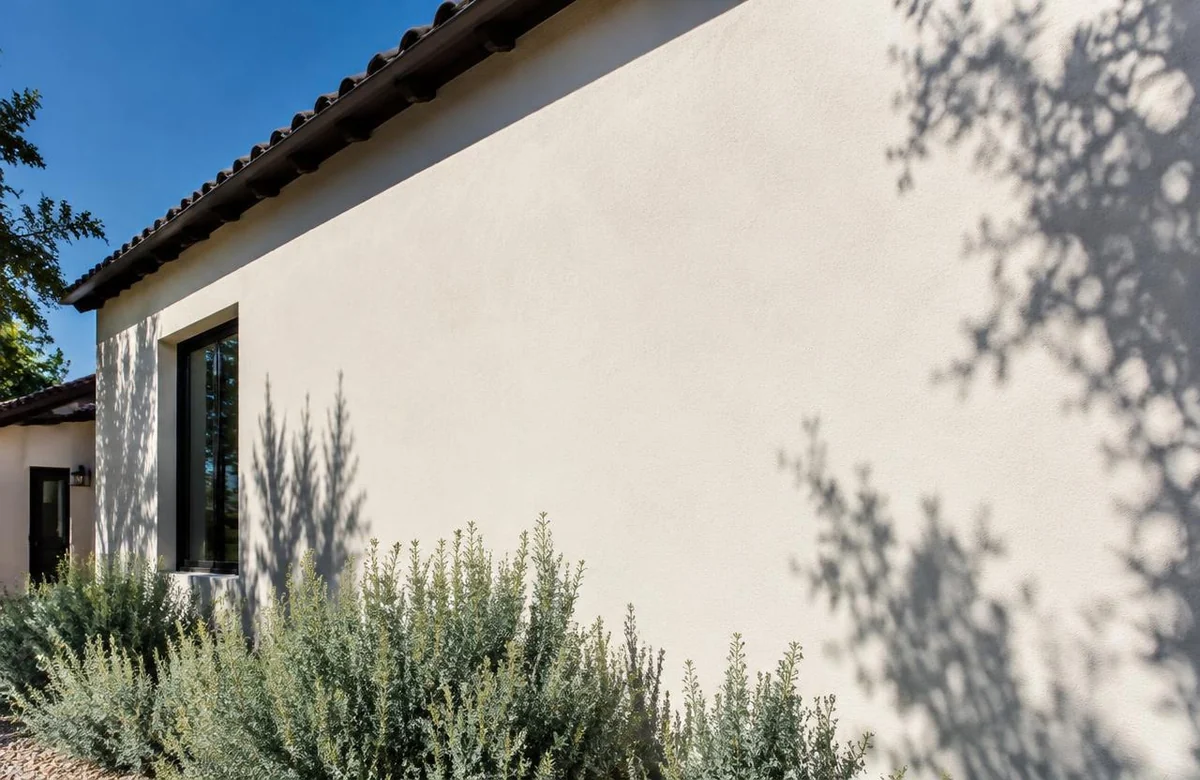
Reflective exterior wall coatings and light-colored finishes can reduce how much heat walls absorb from direct sun.
Planning a project like this? Share a few details for a free estimate.
Request a Free EstimateStucco walls facing south and west absorb sun for hours each day and then radiate that heat inward into the evening. Reflective coatings are formulated to absorb less of that energy than conventional paint, while still offering a wide range of colors.
Because the process mirrors repainting — inspection, crack repair, priming and application — reflective coatings are usually specified within exterior painting and stucco work. Treating walls together with a cool roof addresses the two largest sun-exposed surfaces of the house.
Coatings formulated to reflect more solar energy than standard paint.
Options suited to common Southern California stucco exteriors.
Repairing cracks and prepping surfaces helps coatings perform.
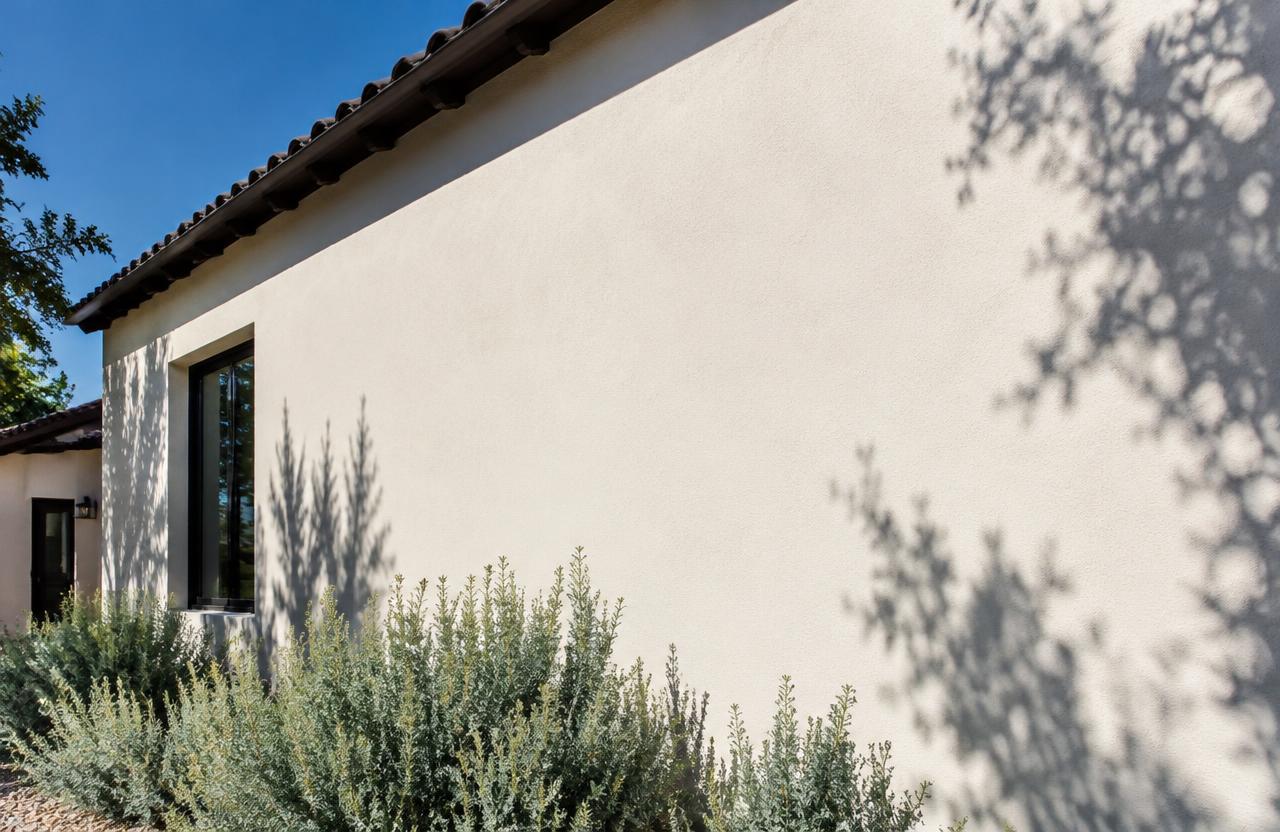
Exterior wall coatings range from premium paints with reflective pigments to thicker elastomeric systems. Each suits different wall conditions.
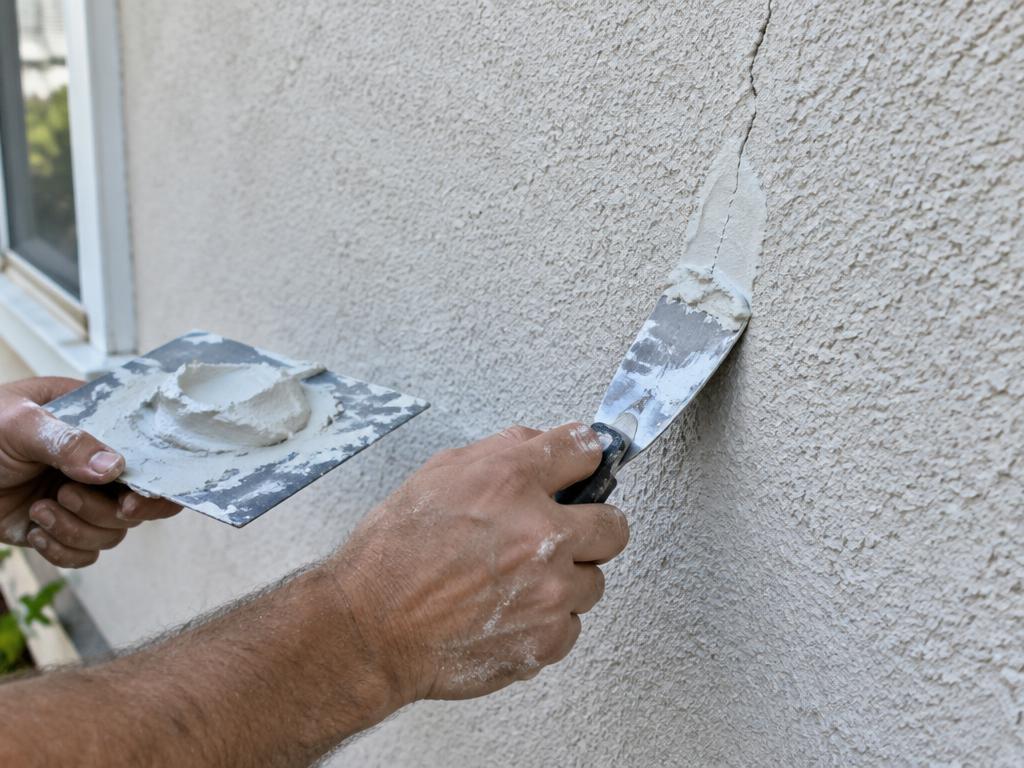
A coating is only as good as the wall beneath it. Most of the labor in a quality project goes into preparation.
AAA All America Affordable Construction and Remodeling Inc. manages the agreed construction process, including applicable permit coordination, inspections, project management, subcontractor coordination, quality oversight, warranties and project completion. BH Signature personally reviews homeowner inquiries and introduces relevant project details to the identified licensed contracting partner, which handles construction planning and delivery.
Discuss which walls get the most sun, review color options and check HOA guidelines.
Clean, patch and prime the walls, protecting windows, doors and planting.
Apply the coating system in the number of coats specified by the manufacturer, with attention to cure times and weather.
Review coverage, touch up details and go over care and maintenance.
Responsibilities depend on the agreed project scope and contract. Permit approval rests with the relevant authorities; warranty coverage and terms are confirmed for your project. Completion timing depends on the work, site conditions and required approvals, not a promised date.
About savings: Energy savings depend on the specific products selected and your property's conditions, and are not guaranteed. Rebate or utility programs change often — verify current eligibility directly with the program.
| Standard exterior paint | Reflective coating system | |
|---|---|---|
| Primary purpose | Color and weather protection | Color, protection and reduced heat absorption |
| Pigments | Conventional | Formulated to reflect more infrared energy |
| Film thickness | Thin | Thin (reflective paint) to thick (elastomeric) |
| Crack bridging | Minimal | Elastomeric types can bridge hairline cracks |
| Typical cost | Lower | Usually higher per gallon |
Product data sheets list reflectance values; ask to see them when comparing options.
Lighter colors reflect the most, but IR-reflective pigments let some medium tones stay cooler than conventional paint of the same color.
Durability depends on the product, prep quality and sun exposure. Manufacturers publish expected service life; south- and west-facing walls typically weather faster.
Some thick coatings are less breathable than paint, so moisture conditions should be evaluated first. That's part of the inspection before choosing a system.
Rinse off dust periodically, keep sprinklers from soaking walls, and address new cracks early so water doesn't get behind the finish.
Considering this home improvement? Tell BH Signature what you have in mind. The licensed contractor can then discuss your property, project scope, consultation, and estimate directly with you.
Request Your Free EstimateFree estimates are provided by the licensed contractor, AAA All America Affordable Construction and Remodeling Inc..