
Roof replacement & repair
Tile, shingle and low-slope roofing, including cool-roof options.
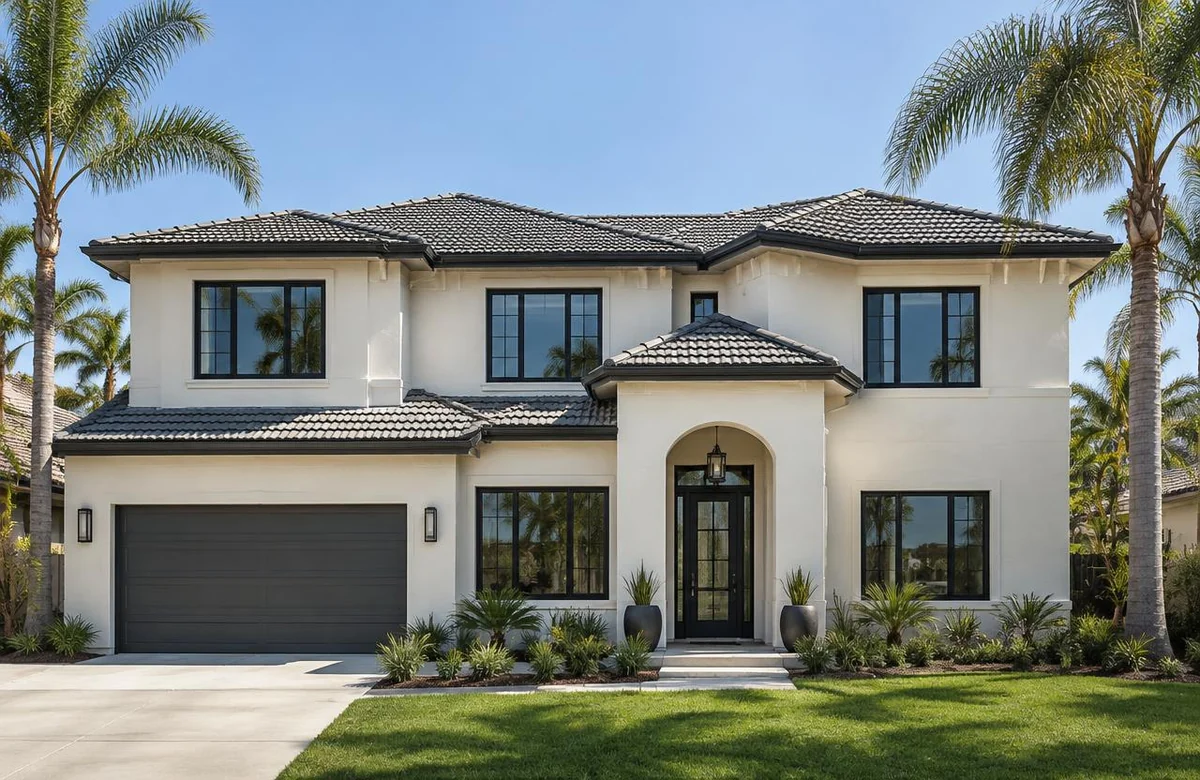
Exterior improvements that protect your home from the elements and refresh its curb appeal.
Planning a project like this? Share a few details for a free estimate.
Request a Free EstimateA home's exterior works as a system: roof, walls, windows and doors together keep sun and weather out. Most exterior projects start with the roof, because a sound roof protects everything else — then walls, windows and doors are refreshed in a sensible order. Share the areas that need attention most; the contractor can assess whether a focused repair or more extensive work is appropriate for the home's condition.
Choosing a cool roof during a reroof can help reduce heat gain and may be required in some climate zones. Refreshing walls with exterior painting and stucco repair protects the surface and updates curb appeal, and replacing windows and patio doors changes how your home looks and opens to the yard.
Our cool roof versus traditional roof guide explains product ratings and why exact energy savings should not be assumed.
Tile, shingle and low-slope roofing, including cool-roof options.
Stucco repair, refinishing and exterior paint in warm, natural tones.
Replacement windows, entry doors and sliding or folding patio doors.
Drainage and trim details that help protect walls and foundations.
Most Southern California homes have concrete or clay tile, asphalt shingle, or low-slope sections over additions and patios. Each ages differently.
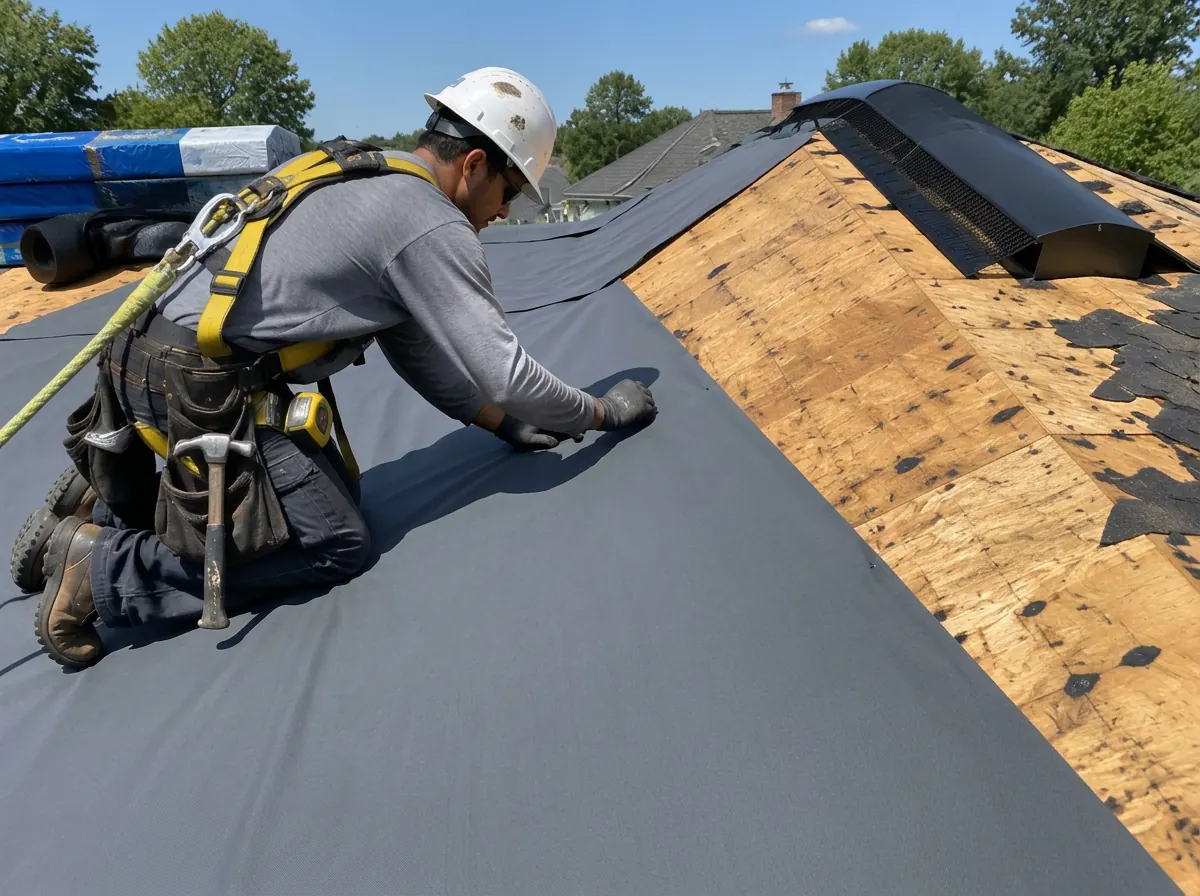
A reroof is the best opportunity to fix what's underneath: decking, flashing, vents and gutters.
California's Building Energy Efficiency Standards (Title 24, Part 6) can apply to reroofs, depending on your climate zone, roof slope and the extent of the work.
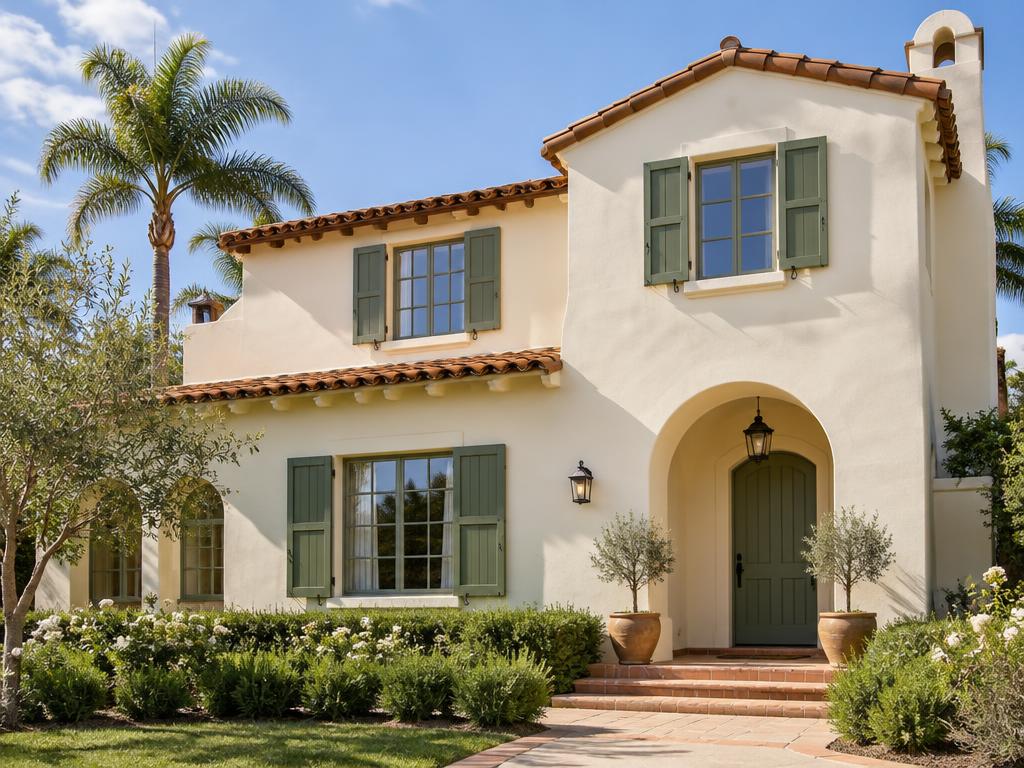
Walls, windows and doors complete the exterior envelope and largely define curb appeal.
AAA All America Affordable Construction and Remodeling Inc. manages the agreed construction process, including applicable permit coordination, inspections, project management, subcontractor coordination, quality oversight, warranties and project completion. BH Signature personally reviews homeowner inquiries and introduces relevant project details to the identified licensed contracting partner, which handles construction planning and delivery.
Inspect the roof, attic, flashing, gutters and exterior walls, and identify repair-vs-replace options.
Choose roofing material and color, and decide whether paint, stucco, windows or doors are included.
Pull roofing and any window permits, and sequence the work so each trade finishes in order.
Tear-off, decking repairs, underlayment and roofing, followed by exterior work and final inspections.
Responsibilities depend on the agreed project scope and contract. Permit approval rests with the relevant authorities; warranty coverage and terms are confirmed for your project. Completion timing depends on the work, site conditions and required approvals, not a promised date.
| Material | Weight | Appearance | Considerations |
|---|---|---|---|
| Concrete tile | Heavy | Flat or profiled; many colors | Structure must support the weight |
| Clay tile | Heavy | Classic Spanish and Mediterranean look | Brittle under foot traffic; higher cost |
| Asphalt shingle | Light | Wide color range | Generally shorter service life than tile |
| Standing-seam metal | Light | Modern, clean lines | Higher cost; attention to expansion and noise |
| Low-slope membrane | Light | Not usually visible | Limited to flat or nearly flat roofs |
Changing to a heavier material may require structural review.
Sometimes. If tiles are in good condition, they can be removed, new underlayment installed, and the tiles reinstalled — with broken pieces replaced.
Reroofing generally requires a building permit in Southern California cities, and the permit process confirms any energy-code requirements.
Usually, yes. Window replacement can disturb surrounding stucco, so finishing windows first avoids repainting patched areas.
It can. Lighter and cool-rated products absorb less heat, and in some climate zones cool-rated products are required for qualifying reroofs. HOA guidelines may also limit colors.
Considering this home improvement? Tell BH Signature what you have in mind. The licensed contractor can then discuss your property, project scope, consultation, and estimate directly with you.
Request Your Free EstimateFree estimates are provided by the licensed contractor, AAA All America Affordable Construction and Remodeling Inc..