
Native planting
Sage, lavender, grasses and other plants suited to Southern California.
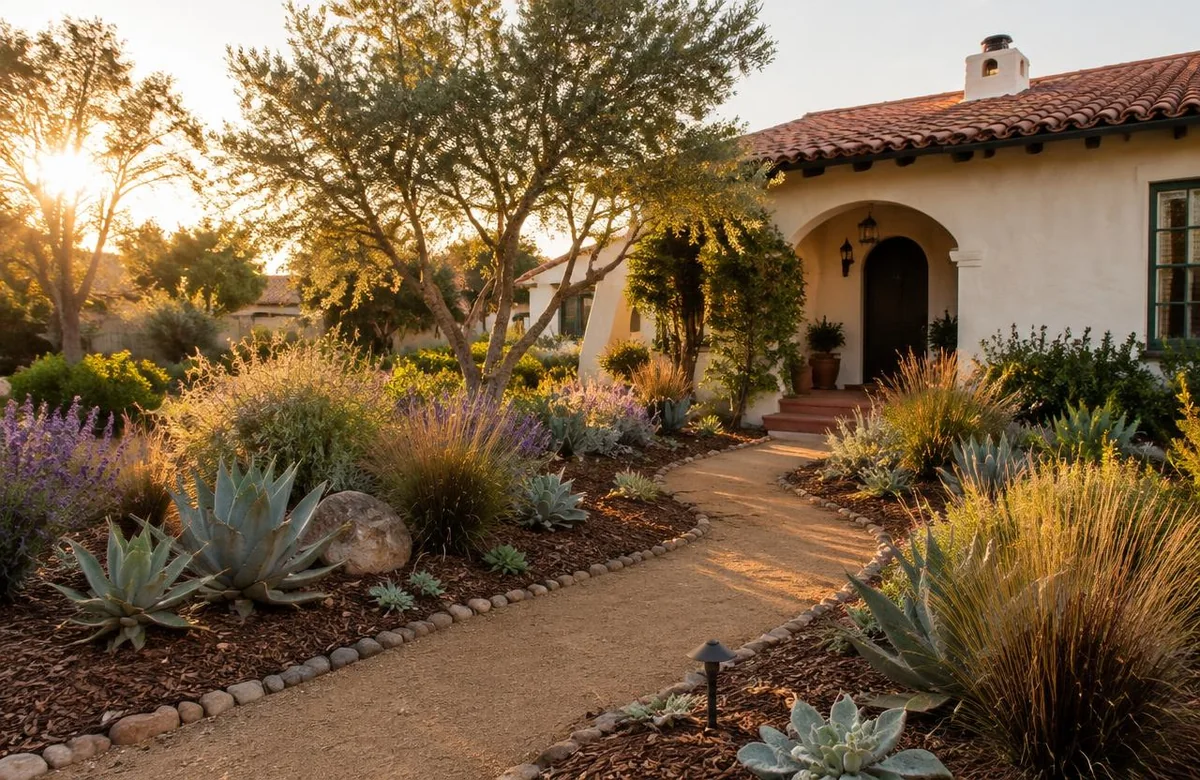
Native and climate-adapted plants, mulch and efficient irrigation can reduce outdoor water use while keeping your yard beautiful.
Planning a project like this? Share a few details for a free estimate.
Request a Free EstimateOutdoor irrigation is often a large share of a Southern California household's water use. A drought-tolerant landscape replaces thirsty lawn with climate-appropriate plants, efficient irrigation and healthy soil — a living garden designed for long dry summers.
Water-wise gardens often combine native planting with pavers and hardscaping and permeable paths. For play areas, some homeowners add artificial grass; see our outdoor living and landscaping page for whole-yard projects.
Sage, lavender, grasses and other plants suited to Southern California.
Targeted watering and weather-based controllers.
Decomposed granite, stone and permeable surfaces.
Southern California has a Mediterranean climate: wet winters, long dry summers. Plants from similar climates tend to thrive with far less irrigation once established.
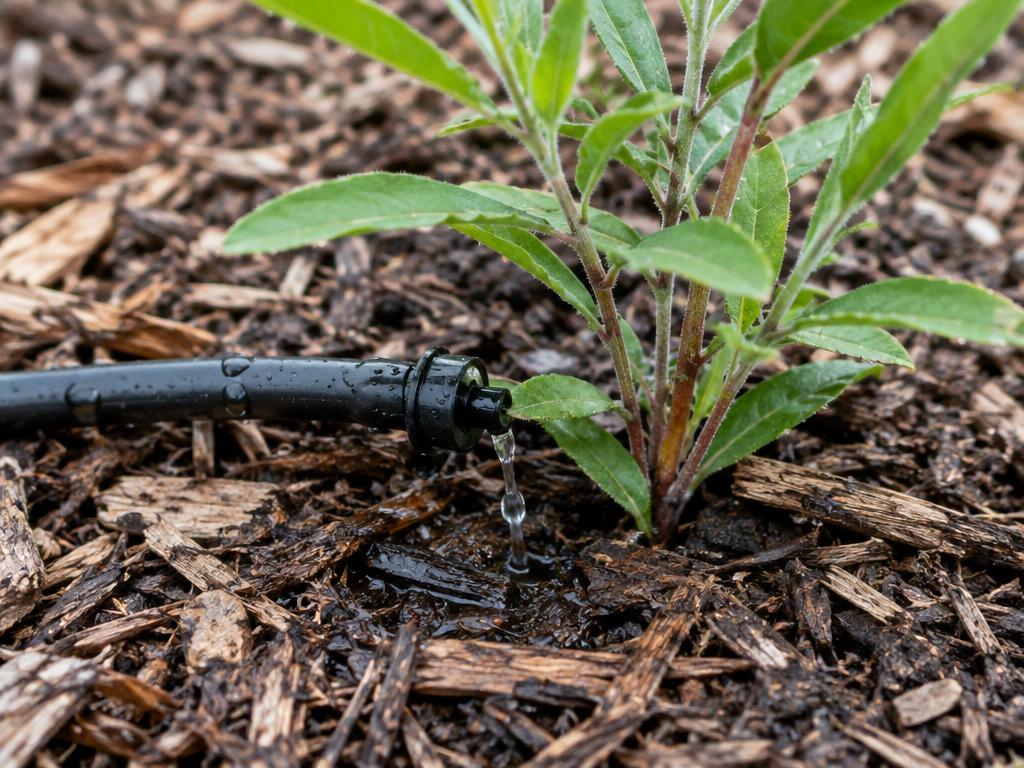
How water is delivered matters as much as which plants you choose.
The structure beneath and between the plants is what makes a low-water garden work long term.
AAA All America Affordable Construction and Remodeling Inc. manages the agreed construction process, including applicable permit coordination, inspections, project management, subcontractor coordination, quality oversight, warranties and project completion. BH Signature personally reviews homeowner inquiries and introduces relevant project details to the identified licensed contracting partner, which handles construction planning and delivery.
Map sun, shade, slopes, drainage and the existing irrigation system, and set goals for the space.
Lay out planting areas, paths and hydrozones, and select climate-appropriate plants.
Remove existing lawn, prepare soil and install drip or efficient irrigation zones.
Plant, mulch and set an establishment watering schedule that tapers over the first seasons.
Responsibilities depend on the agreed project scope and contract. Permit approval rests with the relevant authorities; warranty coverage and terms are confirmed for your project. Completion timing depends on the work, site conditions and required approvals, not a promised date.
About savings: This improvement is designed to reduce outdoor water use. It is separate from electricity-saving upgrades, and actual savings depend on your property and usage.
Both can replace a thirsty lawn, but they solve different problems.
| Drought-tolerant landscaping | Artificial turf | |
|---|---|---|
| What it is | Living plants with efficient irrigation | Synthetic grass over a prepared base |
| Water use | Low once established | No irrigation for the turf itself |
| Habitat and soil | Supports pollinators and living soil | Little habitat value |
| Surface heat | Plants and mulch stay relatively cool | Can get hot in direct sun |
| Best for | Front yards, borders, slopes | Play and pet areas needing a lawn-like surface |
Many yards combine both. See our artificial grass page for turf details.
No. It typically needs less mowing and water, but still requires occasional pruning, weeding, mulch top-ups and irrigation checks.
Yes. Even drought-tolerant plants need consistent water during their first one to two seasons to establish roots, then less over time.
Water agencies in Southern California have offered turf-replacement programs, but terms change and often require approval before work begins. Check your water provider's current program.
Yes. Layered planting with shrubs, grasses and perennials creates a full garden; it doesn't have to be gravel and cactus.
Considering this home improvement? Tell BH Signature what you have in mind. The licensed contractor can then discuss your property, project scope, consultation, and estimate directly with you.
Request Your Free EstimateFree estimates are provided by the licensed contractor, AAA All America Affordable Construction and Remodeling Inc..