
Heat pumps
All-electric heating and cooling in ducted or ductless configurations.
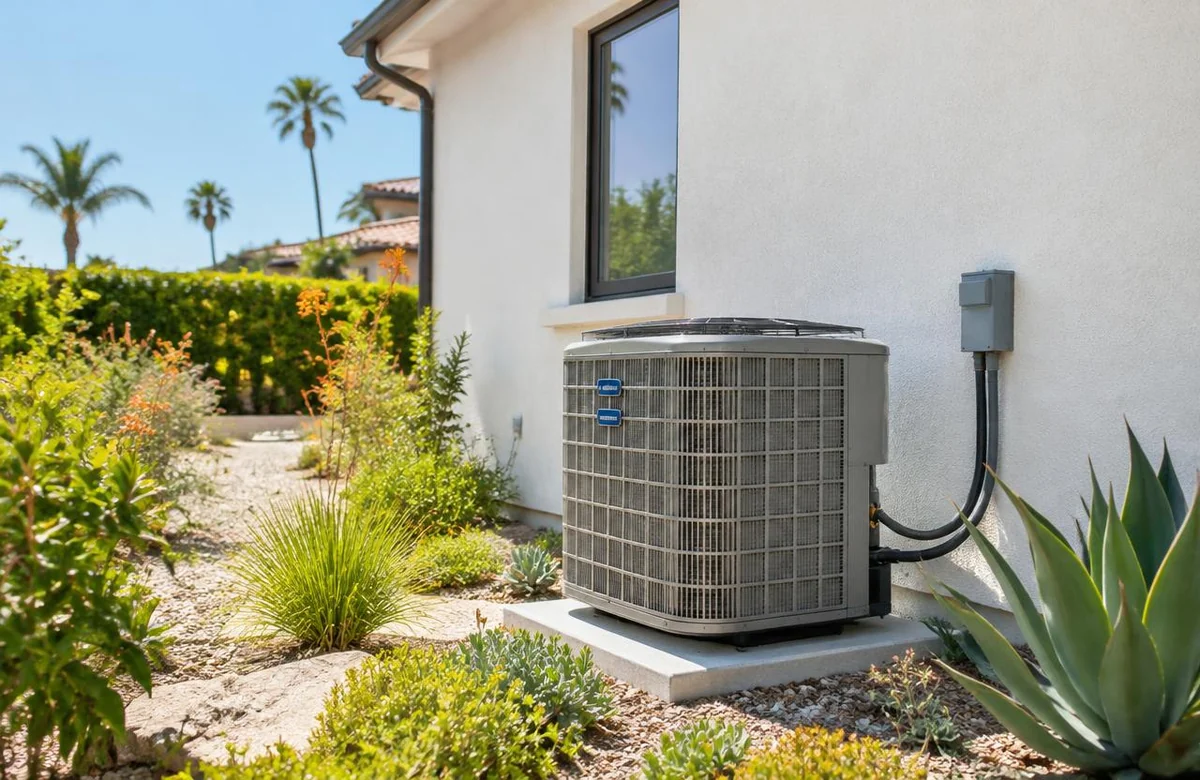
Heat pumps and high-efficiency HVAC systems provide heating and cooling, sized to your home's layout and needs.
Planning a project like this? Share a few details for a free estimate.
Request a Free EstimateMany Southern California homes still run on an older furnace paired with a separate air conditioner, often with ducts in a hot attic. Modern heat pumps provide both heating and cooling from one system, and variable-speed equipment can keep rooms more even through long inland summers.
Heating and cooling equipment is easiest to size well once the building envelope is improved with attic and wall insulation and efficient windows. New living space from a garage conversion or second-story addition often needs heating and cooling planned from the start.
All-electric heating and cooling in ducted or ductless configurations.
Load calculations help match equipment to your home.
Sealing or replacing ducts can improve system performance.
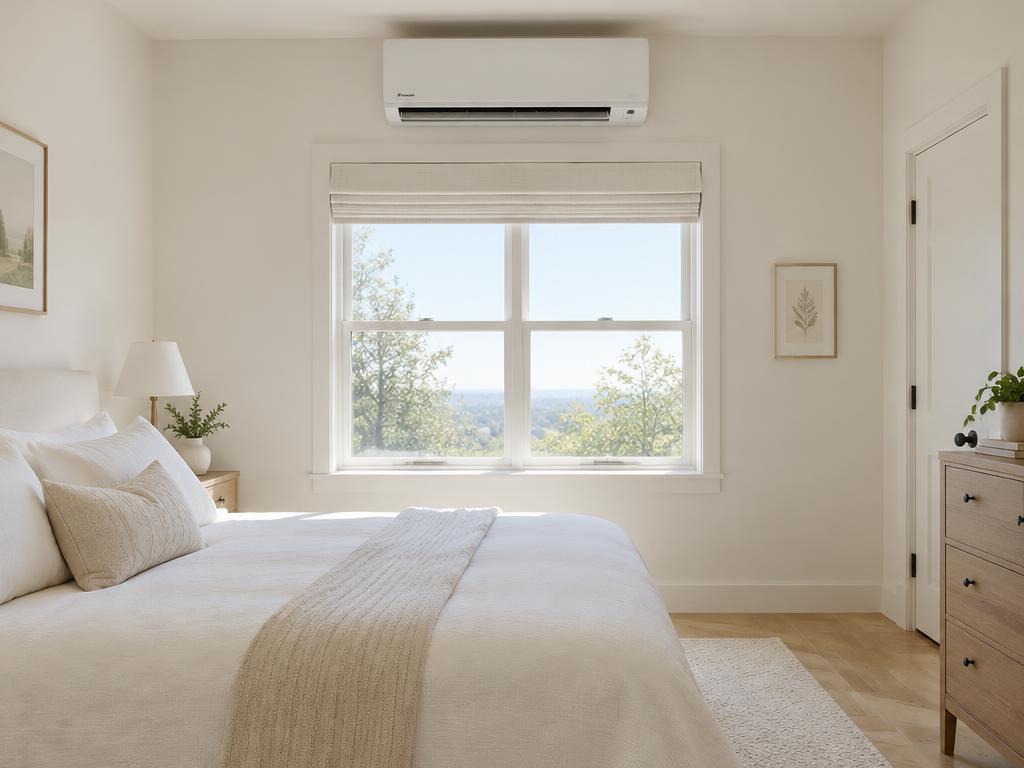
The biggest early decision is whether conditioned air travels through ducts or is delivered room by room.
A heat pump is an air conditioner that can also run in reverse. Instead of burning fuel, it moves heat — out of the house in summer, into it in winter.
Equipment is only one part of performance. The house around it determines what size system you need and how well it works.
AAA All America Affordable Construction and Remodeling Inc. manages the agreed construction process, including applicable permit coordination, inspections, project management, subcontractor coordination, quality oversight, warranties and project completion. BH Signature personally reviews homeowner inquiries and introduces relevant project details to the identified licensed contracting partner, which handles construction planning and delivery.
Review existing equipment, ductwork, insulation, electrical panel and rooms that feel too hot or cold.
Size the system from a heat load calculation and choose between ducted, ductless or a combination.
Select equipment and pull the mechanical (and if needed, electrical) permit for your city.
Install and commission the system, verify airflow and refrigerant charge, and complete required inspections and testing.
Responsibilities depend on the agreed project scope and contract. Permit approval rests with the relevant authorities; warranty coverage and terms are confirmed for your project. Completion timing depends on the work, site conditions and required approvals, not a promised date.
About savings: Energy savings depend on the specific products selected and your property's conditions, and are not guaranteed. Rebate or utility programs change often — verify current eligibility directly with the program.
Since 2023, U.S. ratings use updated test procedures, labeled with a “2.” Compare products using the same version of the rating.
| Rating | What it measures | What to look for |
|---|---|---|
| SEER2 | Seasonal cooling efficiency | Higher means more cooling per unit of electricity |
| EER2 | Cooling efficiency at a hot test condition | Useful for hot inland areas |
| HSPF2 | Seasonal heating efficiency of heat pumps | Higher is better |
| Sound rating (dB) | Outdoor unit noise | Lower is quieter — matters near bedrooms and neighbors |
Minimum efficiency levels are set federally and by region; your contractor confirms what applies to the equipment being installed.
In most Southern California climates, modern heat pumps are designed to handle winter heating. Equipment selection still depends on your home's heat loss and location.
Not always. Ducts in good condition can often be reused after testing and sealing; damaged or undersized ducts may need replacement.
Often, yes. Ductless systems avoid extending ductwork and can be sized for the new space. See our garage conversions page for planning details.
Actual energy use depends on the current equipment, correct sizing, ducts, insulation, weather and your habits. Compare equipment ratings and project conditions rather than expecting a guaranteed savings figure.
Considering this home improvement? Tell BH Signature what you have in mind. The licensed contractor can then discuss your property, project scope, consultation, and estimate directly with you.
Request Your Free EstimateFree estimates are provided by the licensed contractor, AAA All America Affordable Construction and Remodeling Inc..