
On-demand heating
Hot water when you need it, without standby tank losses.
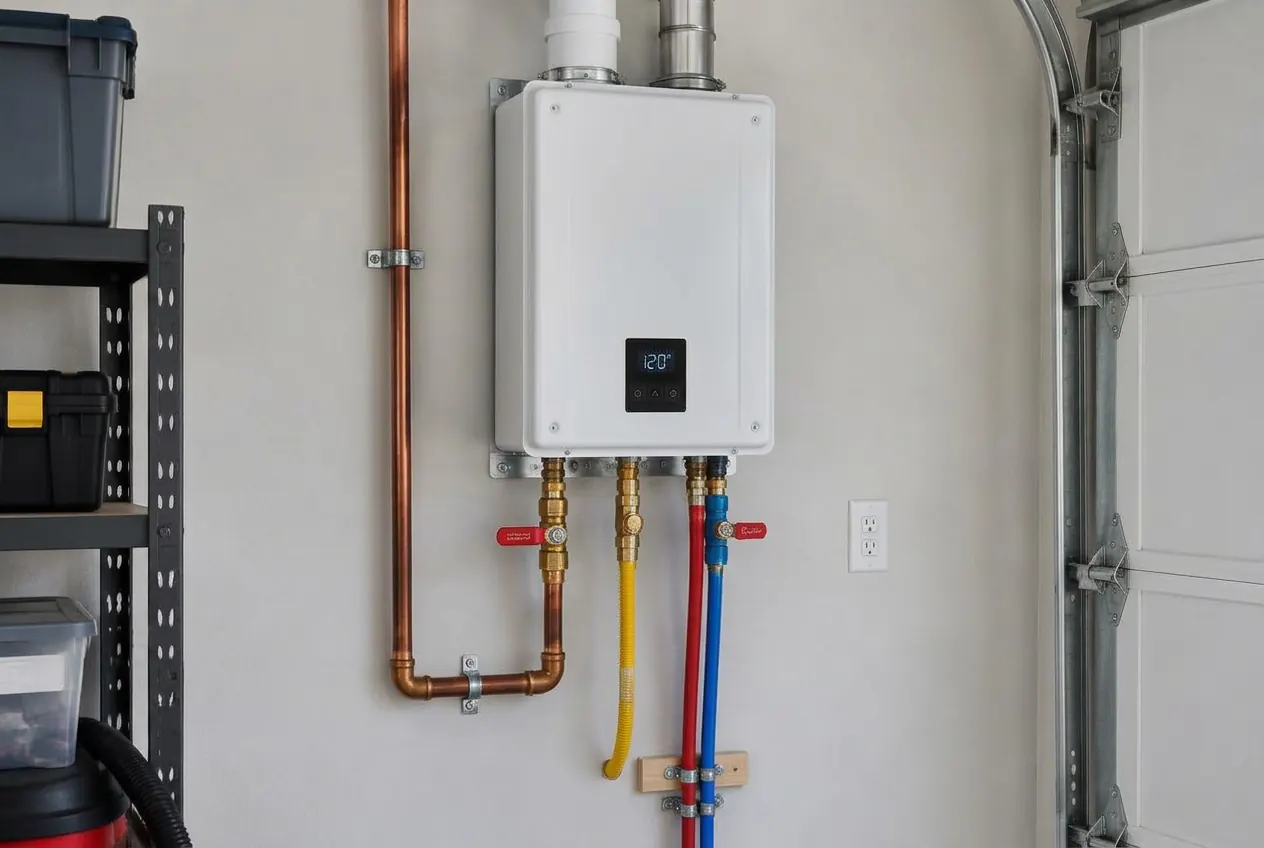
Tankless water heaters heat water on demand rather than keeping a tank hot around the clock.
Planning a project like this? Share a few details for a free estimate.
Request a Free EstimateA tankless water heater heats water only as it flows, instead of keeping a storage tank hot around the clock. That means a continuous supply of hot water and a compact wall-mounted unit — but it also means sizing, gas or electrical capacity and venting need careful planning.
Tankless units are often installed during a bathroom remodel or kitchen remodel, when plumbing is accessible. In a whole-home remodel, the water heater location can be rethought to shorten pipe runs to the busiest fixtures.
Hot water when you need it, without standby tank losses.
Compact wall-mounted units free up garage or closet space.
Options depend on your home's existing utilities and capacity.
Both types heat water as it flows, but their installation needs are very different.
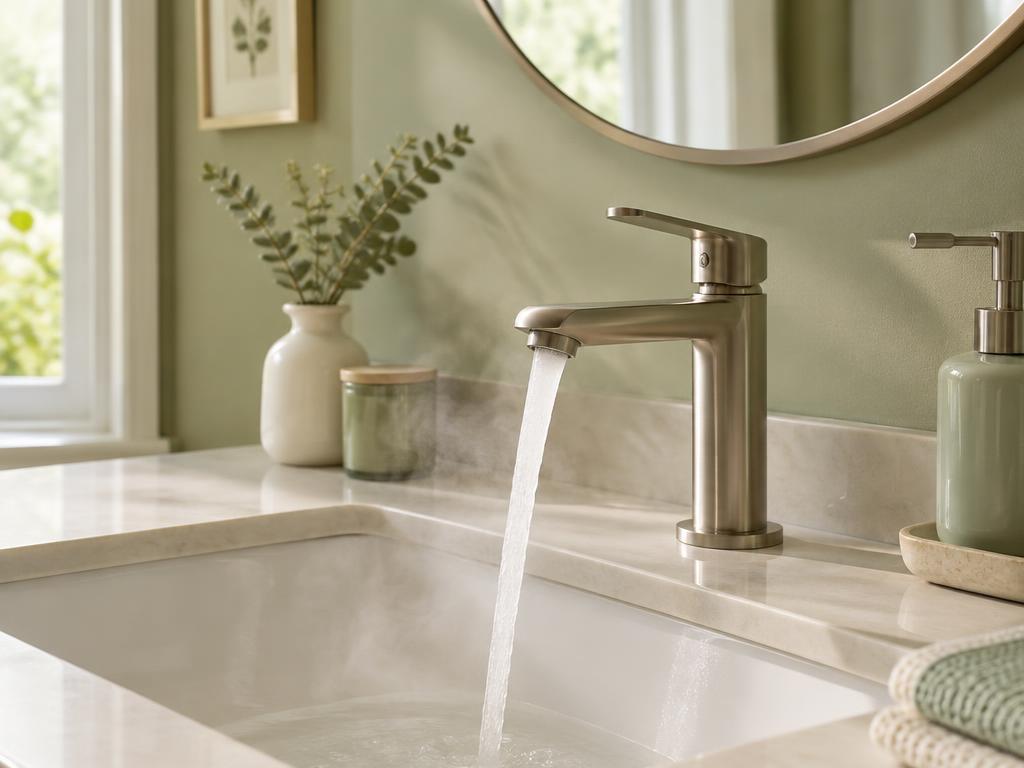
Tankless units are sized by flow rate (gallons per minute) and how much the water must be heated, not by tank capacity.
A tankless heater makes hot water whenever you need it, without running out. It does not make hot water appear instantly at every faucet.
Most of the planning for a tankless upgrade involves the utilities and venting around the unit.
AAA All America Affordable Construction and Remodeling Inc. manages the agreed construction process, including applicable permit coordination, inspections, project management, subcontractor coordination, quality oversight, warranties and project completion. BH Signature personally reviews homeowner inquiries and introduces relevant project details to the identified licensed contracting partner, which handles construction planning and delivery.
Assess household hot-water use, existing gas line or electrical service, and possible mounting and venting locations.
Choose gas or electric, size by flow rate and temperature rise, and plan any recirculation.
Pull the required plumbing, gas or electrical permits for your city.
Remove the old heater, install the unit with valves and venting, test operation and complete inspection.
Responsibilities depend on the agreed project scope and contract. Permit approval rests with the relevant authorities; warranty coverage and terms are confirmed for your project. Completion timing depends on the work, site conditions and required approvals, not a promised date.
About savings: Energy savings depend on the specific products selected and your property's conditions, and are not guaranteed. Rebate or utility programs change often — verify current eligibility directly with the program.
| Storage tank heater | Tankless heater | |
|---|---|---|
| Hot water supply | Limited by tank size | Continuous, limited by flow rate |
| Standby heat loss | Keeps a tank hot around the clock | Heats only when water flows |
| Space | Large floor footprint | Compact, wall-mounted |
| Installation complexity | Usually simpler replacement | Often needs gas, electrical or vent changes |
| Maintenance | Occasional tank flushing | Periodic descaling recommended |
No. The water still travels through pipes, so wait time is similar to a tank unless a recirculation option is added.
Sometimes, but gas line size, venting routes and electrical capacity often change the ideal location. The site review confirms this.
It depends on your home's existing utilities, hot-water demand and preferences. Gas units deliver higher flow; electric units avoid venting but may need electrical upgrades.
Many homeowners switch during a bathroom remodel or kitchen remodel, when plumbing is already accessible.
Considering this home improvement? Tell BH Signature what you have in mind. The licensed contractor can then discuss your property, project scope, consultation, and estimate directly with you.
Request Your Free EstimateFree estimates are provided by the licensed contractor, AAA All America Affordable Construction and Remodeling Inc..